In a world where everyone’s highlight reel plays on repeat, it’s easy to lose sight of who you really are. We scroll, we compare, and we measure our worth against filtered lives and staged perfection. The result? We begin editing ourselves—not to grow, but to fit in.
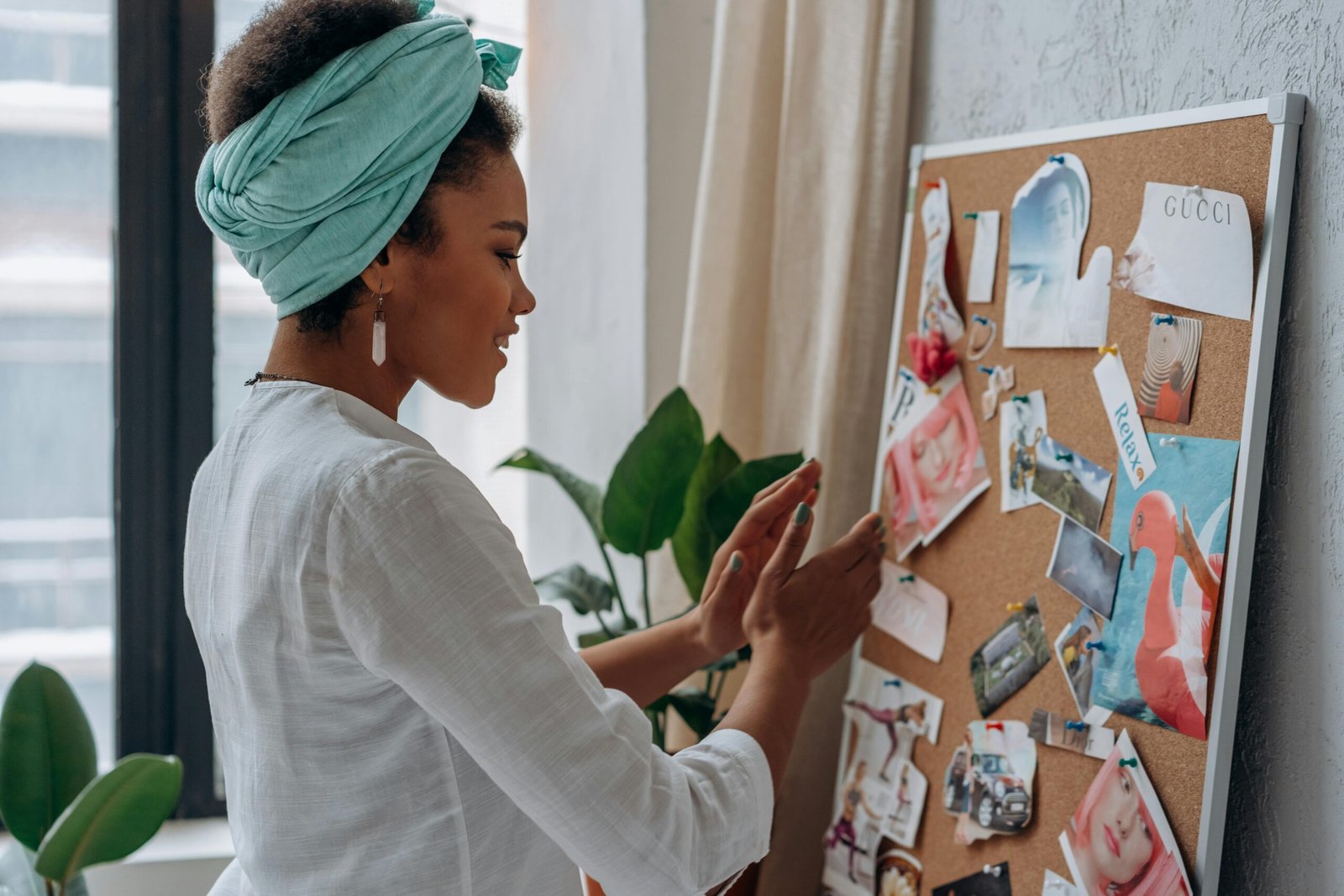
Comparison is the thief of self-worth, but curation is its healer. To curate your self-image means to design it intentionally, not reactively—to choose how you see yourself, rather than letting others decide for you.
When you curate instead of comparing, you stop chasing approval and start aligning with authenticity.
The Comparison Trap
Comparison often starts innocently. You notice someone’s success, beauty, or relationship and begin to question your own. But what starts as admiration quickly turns into self-judgment.
“She’s doing better than me.”
“He’s more confident.”
“They seem happier.”
Each comparison chips away at your sense of self, creating an emotional spiral. You begin to believe your worth is conditional based on how you measure up. Over time, this becomes addictive. You crave validation, likes, and approval to feel “enough.”
But here’s the truth: comparison is a false mirror. It reflects someone else’s path, not your own. And when you stare into it too long, you lose your reflection altogether.
Why We Compare: The Emotional Undercurrent
Comparison isn’t about other people—it’s about our emotional state. It’s triggered when we feel uncertain, insecure, or disconnected from ourselves.
Weak self-image often leads to:
- Strong emotional reactions to others’ success (envy, guilt, inadequacy).
- Unhealthy coping—scrolling for hours, people-pleasing, or perfectionism.
- Addictive patterns—needing praise, overperforming, or shrinking yourself to be accepted.
When your sense of worth depends on external validation, you’re no longer living authentically—you’re performing.
Curating an Authentic Self-Image
To curate is to create with purpose. It’s not about pretending or polishing, it’s about selecting what aligns with who you are becoming. It’s the process of shaping your inner world so that your outer world reflects truth, not insecurity.
Here’s how to start:
1. Identify the False Reflections
Notice where your self-image has been shaped by others’ opinions or social standards.
Ask yourself:
- What parts of me do I only show to gain approval?
- What parts do I hide out of fear of judgment?
Awareness is the first step to rebuilding authenticity.
2. Redefine What “Enough” Means
Stop letting external measures define your value. You are not a rating, a like, or a trend.
Instead, define enoughness by alignment:
“I’m enough when I live according to my values.”
“I’m enough when I choose peace over performance.”
When your worth comes from within, no one can take it away.
3. Practice Emotional Regulation
Comparison thrives in emotional chaos. Learn to sit with uncomfortable emotions—envy, guilt, shame—without reacting or suppressing.
Try these coping skills:
- Ground yourself. Notice your breathing when comparison hits. Bring your focus back to the present.
- Reframe your thoughts. Instead of “I’m behind,” try “I’m on my path.”
- Limit your triggers. Curate your social media, follow people who inspire growth, not insecurity.
You can’t control every emotion, but you can manage how it shapes your self-image.
4. Replace Performance with Purpose
When you’re addicted to validation, every action becomes a performance. You do things for recognition, not fulfillment.
Shift your focus from how it looks to how it feels.
- Does this choice align with my values?
- Does this version of me feel honest and peaceful?
Authenticity isn’t loud, it’s grounded. It’s not about being perfect; it’s about being real.
5. Build Internal Validation
Validation is a natural human need—but when it only comes from outside, it becomes a trap. Start building self-validation through self-talk and reflection:
- “I’m proud of how I showed up today.”
- “Even if no one notices, I notice my growth.”
- “I can affirm myself without needing applause.”
Over time, your brain learns to find safety in self-approval, not performance.
Unlearning Addictive Self-Image Patterns
When your self-image depends on validation, it mimics the cycle of addiction:
- Trigger: Insecurity, rejection, or envy.
- Behavior: Seeking external approval to feel better.
- Reward: Temporary relief or confidence boost.
- Crash: Guilt, emptiness, or comparison.
Breaking the cycle starts with noticing the craving for validation and choosing a new response—reflection, rest, or creative expression instead of self-criticism.
You are not addicted to others’ opinions—you’re addicted to escaping your own discomfort. The cure is self-acceptance.
Curate with Compassion
Curating your self-image isn’t about controlling perception—it’s about nurturing identity. It’s saying:
“I choose to see myself through eyes of compassion, not comparison.”
Your self-image should reflect your truth, not your trauma. When you start curating intentionally, you’ll find confidence that feels quiet but unshakeable. You’ll no longer need to prove your worth—you’ll embody it.
Final Thought: You Are the Artist of Your Self-Image
Your self-image is not a reflection—it’s a creation.
Comparison will always whisper, but intention can roar louder.
Curate how you see yourself with care, patience, and honesty.
Choose values over validation. Depth over display. Growth over perfection.
Because when you stop comparing and start curating, you finally become the person you were meant to be—authentically, unapologetically, you.